When it comes to gambling in Japan, a curious debate rages on: why are online casinos (known as “オンカジ”) scrutinized and often condemned, while pachinko parlors enjoy a more lenient stance? This eyebrow-raising inconsistency adds a layer of intrigue to Japan’s gambling landscape, especially considering the millions of players participating in both activities.
First, let’s break down what constitutes both forms of gambling. Online casinos allow players to engage in a variety of traditional games—like poker, blackjack, and slots—over the internet. On the other hand, pachinko, a hybrid between pinball and slot machines, has deep cultural roots in Japan and is often seen as a leisurely pastime.
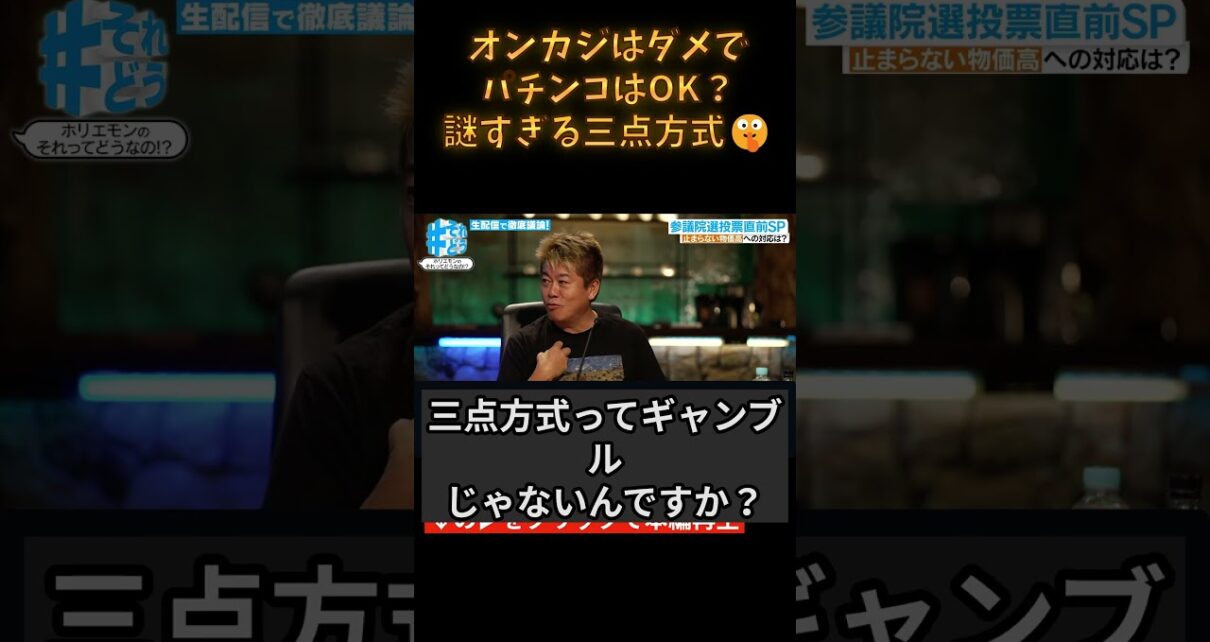
So why the disparity? One crucial aspect lies in the laws governing gambling in Japan. While outright gambling on traditional games is technically illegal, pachinko has carved out a unique niche. The game operates under a loophole: players can win prizes that are then exchanged for cash at nearby establishments, circumventing direct cash payouts at the parlors. This three-point method, known as the “三点方式,” creates a complex yet systematized way for players to monetize their winnings without directly breaking the law.
Meanwhile, online casinos lack this creative workaround. They operate in a grey area of the law, and their global reach makes them harder to regulate. The Japanese government has been increasingly vigilant about these platforms, viewing them as potentially harmful due to concerns about gambling addiction and lack of consumer protections. As a result, any attempts to participate in online gambling can lead to significant legal repercussions for both operators and players.
Another factor to consider is cultural perception. Pachinko is widely accepted as a form of entertainment, akin to going to a movie or dining out. The social aspect of visiting a pachinko parlor—often buzzing with excited players, bright lights, and an atmosphere of camaraderie—plays into its acceptance. In contrast, online casinos are often seen as more isolating, encouraging solitary play that might further exacerbate issues like addiction or financial distress.
Interestingly, the popularity of both platforms never seems to diminish. Players find joy in the chance to win, regardless of the method. This creates a dichotomy where pachinko remains a beloved pastime, while online casinos hover at the fringes of legality. The government’s efforts to impose stricter regulations on online gambling show a clear intent to limit its influence, leading to the strange yet fascinating status quo.
As Japan continues to grapple with issues surrounding gambling, it’s undeniable that the conversation around オンカジ and pachinko highlights deeper societal attitudes toward leisure, risk, and the notion of winning. Whether you’re pulling the lever on a pachinko machine or rolling the dice in an online game, both experiences reveal the universal appeal of chance and the complexities of gambling’s role in modern culture.