
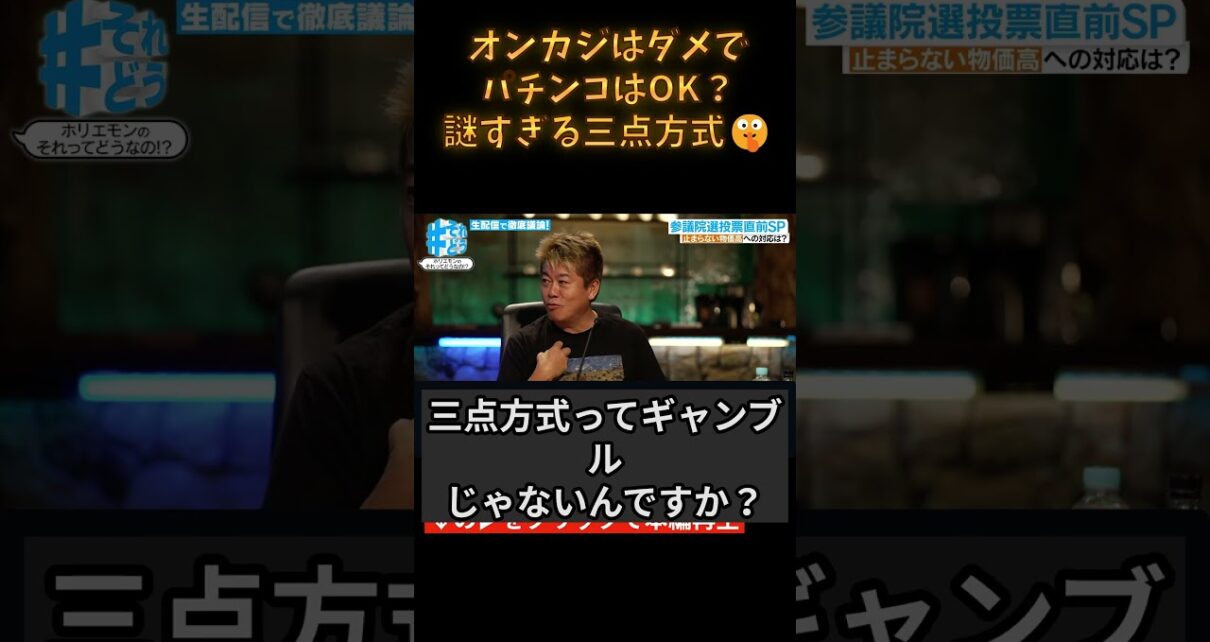
Understanding Japan’s Gambling Landscape: Online Casinos vs. Pachinko
In Japan, gambling regulations can seem perplexing at first glance. One of the more intriguing aspects of this landscape is the distinction between online casinos and pachinko. While many fervently debate the merits and legality of each, it’s worth digging into why online casinos are largely deemed off-limits, while pachinko remains widely embraced.
The Legal Framework
Japan has strict regulations on gambling, primarily encapsulated in the Penal Code. Traditional gambling activities—like betting on sports, horse racing, and the lottery—are permitted under specific conditions. However, online casinos fall outside these legal boundaries, often deemed illegal. This opens the door to a fascinating contradiction when we consider pachinko: a popular game that somehow manages to sidestep these rules.
Pachinko’s Unique Status
Pachinko parlors occupy a unique niche in Japanese entertainment. Initially originating from a children’s game, pachinko has evolved into a major form of adult amusement. The appeal lies not only in the gameplay but also in the lucrative prizes that can be won. Interestingly, while gambling for cash remains illegal, pachinko players can exchange their winnings for special tokens or prizes at the parlor, which can then be sold for cash at affiliated shops. This three-point system creates a legal gray area that allows pachinko to thrive.
The Evolving Online Casino Landscape
While pachinko holds a special place in Japanese culture, online casinos have gained considerable traction globally. The convenience and accessibility of these platforms make them enticing for players. However, the Japanese government has been vigilant, cracking down on online gambling, viewing it as a threat to the integrity of its established gaming formats.
The Three-Point System Explained
The intriguing aspect of pachinko lies in its enigmatic three-point system:
-
Gameplay: Players purchase pachinko balls and engage within the parlor. The action is akin to a mix of gambling and entertainment, drawing in players of all backgrounds.
-
Winning Tokens: As players win, they accumulate tokens. Unlike traditional cash prizes, these tokens offer a legal workaround, allowing players to keep engaging without breaching gambling laws directly.
-
Token Exchange: The final piece involves a discreet victory lap—players can exchange their tokens for cash at nearby establishments. This creates a loop that benefits both operators and players while skirting the legal pitfalls that have ensnared online casinos.
Cultural Perspectives
Japanese society has a complicated relationship with gambling. While pachinko is often viewed as a harmless pastime, online casinos can carry a stigma. Many consider the latter as a gateway to addiction or financial ruin, amplifying concerns about accessibility and regulation. This cultural perception reinforces the legal divide between the two, demonstrating how societal attitudes shape the regulatory landscape.
The Future of Gambling in Japan
As the world moves towards increased digitalization, Japan must grapple with its gaming norms. With rising interest in online gaming, particularly among younger generations, there may come a time when the government reassesses its stance on online casinos. For now, though, the paradox remains—pachinko enjoys legality and success while online casinos are largely shunned.
Navigating these waters requires a keen understanding of Japan’s unique cultural, legal, and economic environment. Observers are left pondering how long this divide can last, and whether shifts in public sentiment might one day alter the country’s gambling regulations in favor of a more integrated and accessible gaming framework.