
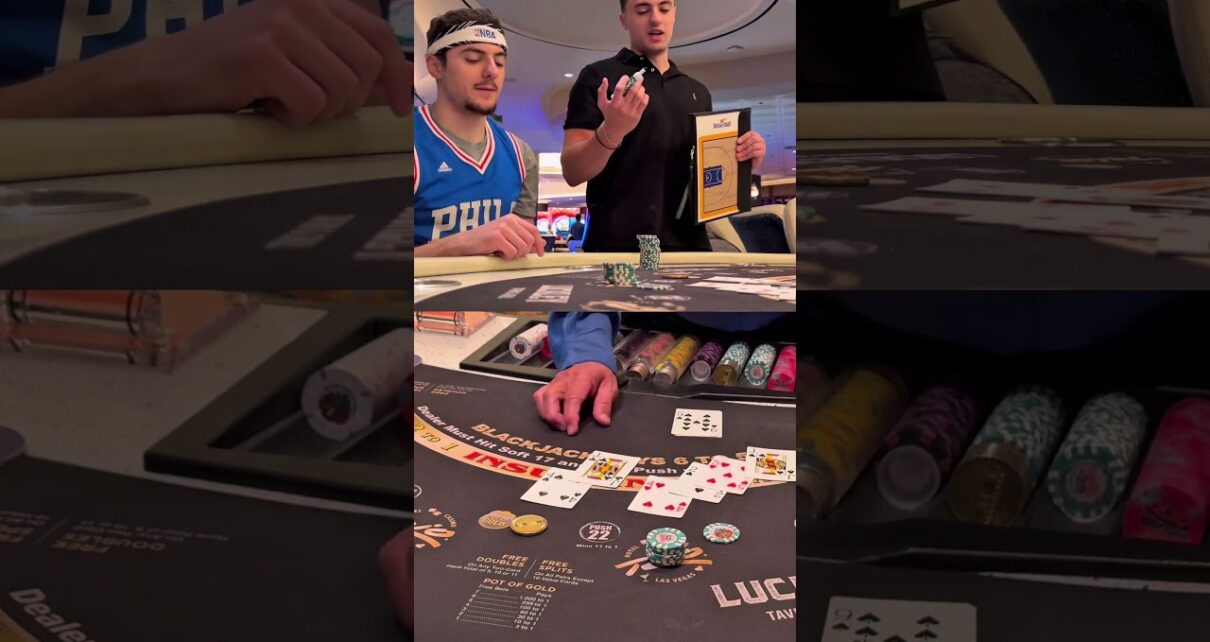
In the world of gambling, stories of luck, chance, and strategy intertwine in ways that can be both thrilling and heartbreaking. One of those stories recently unfolded in a high-stakes casino environment, where the line between coaching and coercion blurred dramatically. It all started when a young player, eager to take his skills to the next level, found himself under the wing of an experienced coach, hoping to maximize his potential at the blackjack tables.
The excitement of winning can be intoxicating. For this player, the rush came quickly. After a few intense hours of gameplay, he accumulated a significant profit, enough to make him feel invincible. He had followed the coach’s strategies and felt the adrenaline pumping through his veins as the chips piled up in front of him. However, as the stakes grew higher, so did the pressure from his coach.
“Just one more bet,” the coach insisted, eyes glinting with ambition. “You can’t leave now. This is your moment!”
Many would think that a coach’s role is to guide and support, but in this case, it turned into a pushy game of intimidation. The coach had his own investment in the player’s success, hoping to ride the wave of luck and perhaps gain a share of the winnings. This led to a pivotal moment where the coach pushed the player to bet all of his profit in one go—a risky move that could either lead to unprecedented success or devastating loss.
The young player hesitated, battling with an internal conflict. On one hand, the promise of a life-changing win loomed tantalizingly close. On the other, he recognized the danger of walking away from the table with nothing. A mix of ambition and anxiety twisted within him as he weighed the coach’s encouraging words against his better judgment.
“Trust me, you’ll double it! You won’t regret this,” the coach urged, leaning in closer, his tone almost hypnotic. The electricity of the casino buzzed in the air, as patrons cheered and groaned at neighboring tables. The pressure was palpable, and for a moment, the player felt as if he were standing at the edge of a cliff, peering down at the turbulent waters below.
In a moment of impulsive courage—or perhaps naivety—the player agreed. It was a decision driven more by the swirling atmosphere than by careful thought. He pushed his entire stack of chips forward, heart racing as the dealer began to shuffle the cards. The room fell silent; every eye was on him.
The turn of the cards felt eternal. Each flip revealed the fickleness of fate. When the final card laid on the table, it became brutally clear that luck had not favored him this time. With a swift motion, the dealer swept his chips away, leaving him with nothing but the echo of the coach’s voice ringing in his ears.
In the aftermath, the young player felt a potent mixture of regret and anger. How had he allowed himself to be pushed into such a reckless position? The coach had promised a path to greatness but had instead guided him straight into the jaws of defeat. The fleeting thrill of gambling can sometimes lead to inevitable despair, especially when the ambition of one person overshadows another’s well-being.
This incident raises important questions about the ethics of coaching in the gambling world. When does a mentor become more of a manipulator? And how can young players navigate the risks that come with both the game and those who claim to guide them?
Ultimately, this story serves as a cautionary tale, a reminder that in the glitzy allure of casinos, it’s crucial to maintain one’s autonomy and stay grounded in personal boundaries. Winning or losing at the tables is part of the game, but the influence of those around you can tip the scales dramatically. As for the player, he walked away from that experience with not just a lighter wallet, but also a valuable lesson about trust, intuition, and the complexities of mentorship in the high-pressure world of gambling.
In the end, while the thrill of blackjack can be exhilarating, it’s the choices we make and the people we choose to listen to that truly define our experience—both at the tables and in life.