
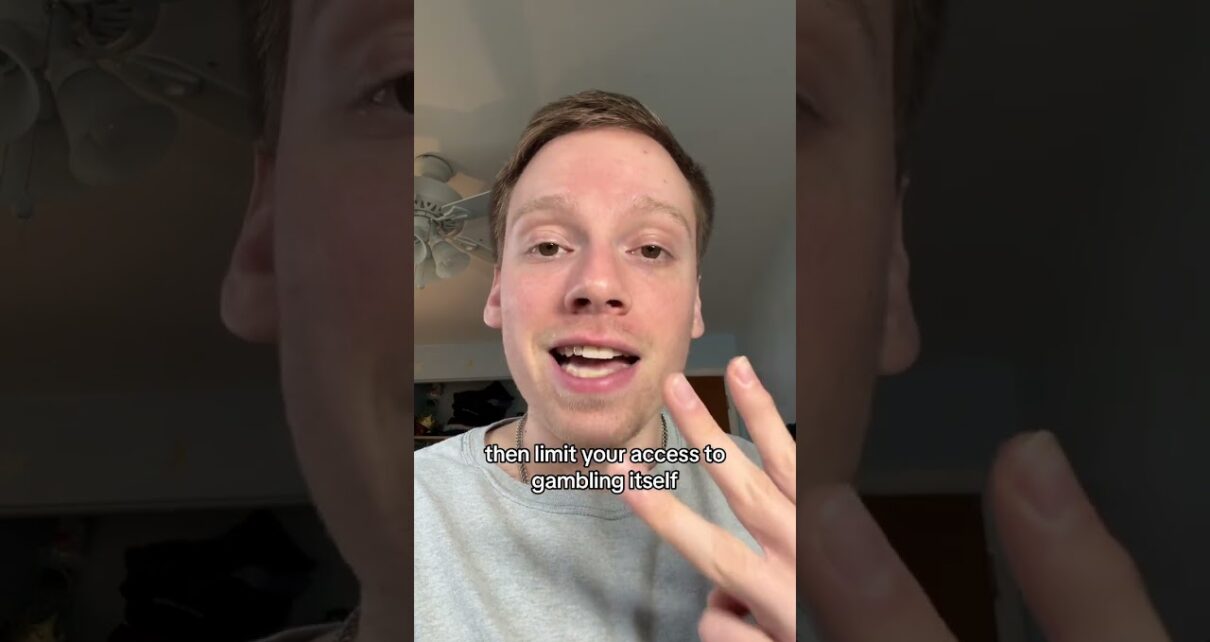
Gambling can be an exhilarating experience, but for many, it spirals into a web of addiction that’s hard to escape. If you find yourself lost in the clutches of gambling, it’s important to acknowledge that there is a way out. Here’s a comprehensive guide tailored for those ready to take the first steps towards recovery.
Recognize the Problem
The first step toward stopping gambling is recognizing that it’s become a problem. Reflect on your gambling habits. Do you find yourself gambling more than planned? Are you chasing losses or feeling anxious when you’re not gambling? Understanding the nature of your addiction is crucial.
Understand the Triggers
Next, identify what triggers your urge to gamble. Whether it’s boredom, stress, or the thrill of winning, understanding your triggers allows you to develop strategies to avoid them. Spend some time journaling or talking to someone about what leads you to gamble. This self-awareness is vital for your recovery journey.
Seek Professional Help
Don’t underestimate the power of professional guidance. Therapists who specialize in gambling addiction can provide support and coping strategies. Cognitive behavioral therapy (CBT) is particularly effective, helping you change the thought patterns that lead to gambling. Look for local assistance or online resources if in-person visits are challenging.
Join Support Groups
Consider joining a support group, like Gamblers Anonymous. Being among individuals who understand your struggle can be incredibly validating and motivating. Sharing your experiences and hearing others’ stories can help foster a sense of community that’s beneficial for recovery.
Develop Healthy Coping Strategies
Replace the thrill of gambling with healthier activities. Engage in hobbies you enjoy—whether it’s playing sports, crafting, or learning something new. These activities not only fill your time but also provide a sense of achievement and joy that gambling once did.
Manage Your Finances
Control over your finances is crucial in the recovery process. Consider asking a trusted friend or family member to help you with your budget. Limit access to cash and restrict online gambling by using blocking software. Financial accountability can reduce the temptation to gamble and help you regain control.
Set Clear Goals
Set achievable goals for yourself—both short-term and long-term. Whether it’s saving a certain amount of money or reaching a milestone in your recovery journey, having clear objectives can help keep you focused and motivated. Celebrate your achievements, no matter how small they may seem.
Communicate With Loved Ones
Don’t isolate yourself. Open up to family and friends about your struggles. Their support can be a lifeline during tough times. Surround yourself with positive influences who encourage your recovery, and don’t hesitate to lean on them when cravings strike.
Stay Informed
Educate yourself about gambling addiction. Understanding the psychological aspects can help demystify your cravings and make them easier to manage. Knowledge is power, and staying informed about your addiction can lead to smarter decisions moving forward.
Be Patient with Yourself
Recovery is not linear. There will be ups and downs, and setbacks may occur. It’s essential to practice self-compassion and recognize that every step you take, even if small, is a step toward improvement. Treat yourself gently, and don’t be afraid to ask for help when needed.
Ultimately, stopping gambling requires commitment and perseverance. Remember, acknowledging the problem is the first step, and seeking help is a sign of strength. You can regain control of your life; take it one day at a time.