
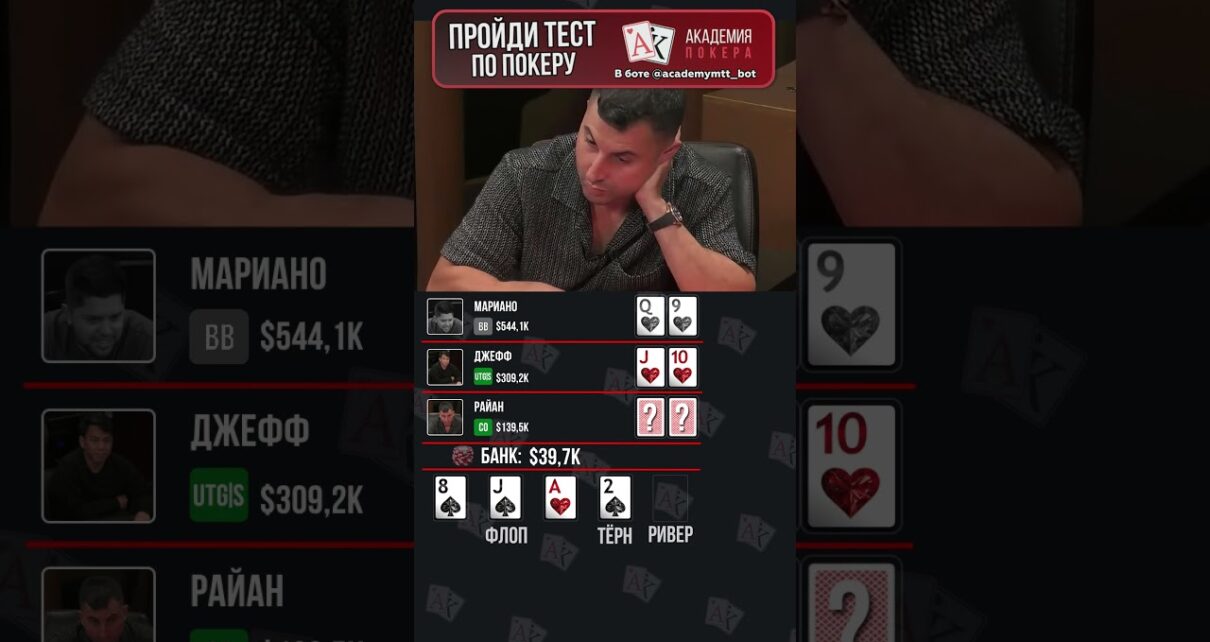
Understanding River Play in Cash Poker: A Real-World Approach
When it comes to poker, especially in cash games, the river presents one of the most critical decision points. By this stage, you’ve navigated bets and raises through the flop and turn, revealing much about your opponents and the strength of your own hand. The question remains: how would you play on the river in a spot like this?
Assessing the Situation
Before making any decisions, it’s essential to analyze the board texture and the pre-flop dynamics. Consider the range of hands your opponents might hold. Are there draws that have completed? Is there a possibility for set-over-set scenarios? Understanding these elements is crucial because they will inform your strategy.
Weighing Your Hand Strength
At the river, the strength of your hand must be evaluated in light of the community cards as well as your opponent’s potential range. If you hold a strong hand, like a set or two pair, think about whether to extract value or if a check-raise might be more beneficial to catch a bluff. Conversely, if your hand is weak or if the board is scary, a defensive approach might be warranted.
Reading Your Opponent
Reading your opponents is paramount. Have they been aggressive or passive throughout the hand? An aggressive player might be bluffing as they sense weakness, while a passive player might be less likely to bet without a strong holding. Adjust your play based on these tendencies—if your opponent shows aggression, you need to be ready to defend your hand appropriately.
The Bluffs and Value Bets
When you’re on the river, it’s time to decide whether to bluff or to go for a value bet. If the board has changed significantly and you believe your opponent has a weaker hand, a well-timed bluff can turn the tide. Be mindful, though—make sure your bluff has a rationale behind it and isn’t simply a shot in the dark.
On the flip side, if you feel confident in your hand’s strength, a value bet can yield profitable results. Aim for a bet size that’s enticing enough to get called, but not so large that it scares your opponent away.
Managing Your Stack
In cash games, your stack depth also plays a critical role. If you’re short-stacked, you might opt for an all-in strategy to maximize potential gains, knowing that the risk-to-reward ratio is skewed in your favor. Conversely, if you have a healthy stack, applying pressure through strategic bets can lead to more significant victories without risking it all.
Timing and Patience
Patience is a key virtue in poker. If you find yourself a bit unsure on the river, it’s completely fine to take a second to reassess the situation. Consider past hands, player tendencies, and even your previous actions in the current game. Sometimes, a moment of contemplation can significantly affect your decision-making.
Final Thoughts
Playing the river can be one of the most thrilling parts of a poker session, especially in cash games. By evaluating your hand strength, understanding your opponents, and managing your stack wisely, you can make the most out of each river encounter. Whether you decide to bluff, value bet, or check your way through, remember that each decision you make adds to the rich tapestry of your poker strategy. Keep honing your skills, and each river will only become more manageable and even more exciting.