
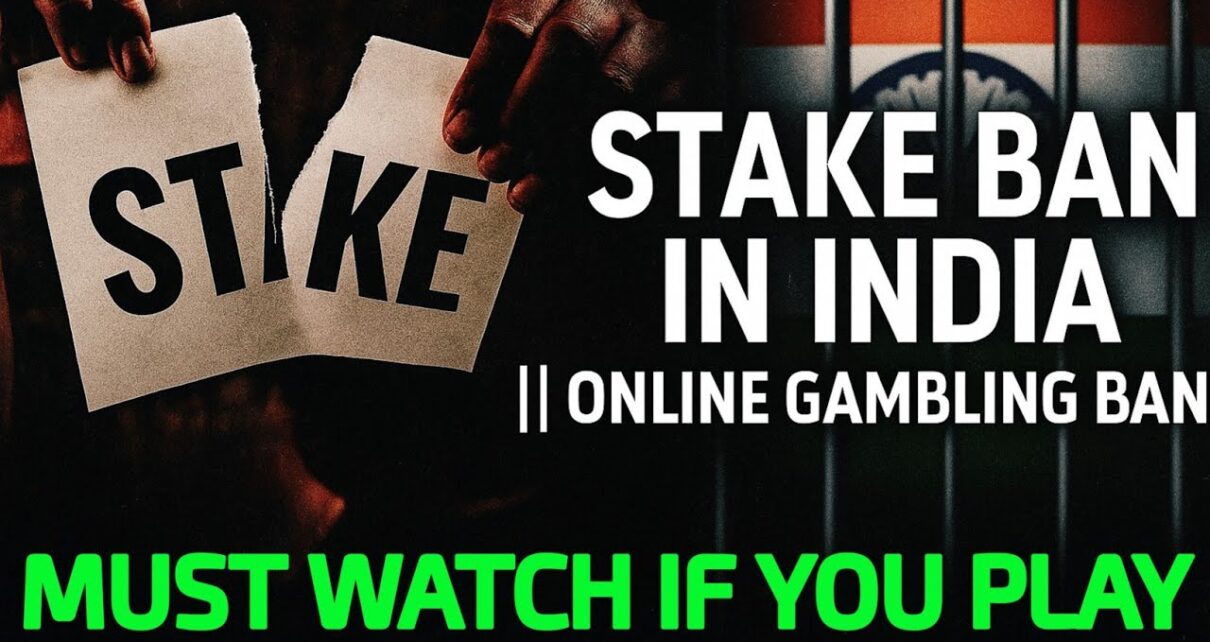
The landscape of online gambling in India has been a topic of considerable debate and scrutiny in recent years. With the rise of platforms like Stake, many enthusiasts are left wondering about the legality and implications of online gambling activities in the country.
### Understanding the Legal Framework
In India, gambling laws are primarily governed by the Public Gambling Act of 1867. This act prohibits operating and visiting gambling houses but does not explicitly address online gambling. What this means is that while traditional forms of gambling face stringent regulations, the virtual realm remains in a legal gray area. Different states in India have differing stances on gambling, creating a patchwork of laws that can be quite confusing.
For example, states like Goa and Sikkim have legalized certain forms of gambling, including casinos, while others have outright bans. This inconsistency raises important questions about what is permissible regarding online betting and gaming.
### The Rise of Online Gambling Platforms
The expansion of online gambling has surged in India, with many individuals flocking to platforms such as Stake, which offer sports betting and casino-style games. According to estimates, the online gambling market in India has witnessed exponential growth, driven largely by smartphone penetration and affordable internet access. However, this growth raises concerns among policymakers regarding the potential for addiction, financial implications, and the overall societal impact.
### The Ban on Stake
As of now, Stake is not explicitly banned in India; however, the ambiguous legal status of online gambling creates uncertainty. Some states may take a hardline approach, blocking access to gambling websites, while others may take a more lenient view. Although legal challenges have arisen attempting to define the regulations surrounding online gambling, a cohesive national law has yet to be established.
### Recent Developments
In recent years, there have been discussions around implementing stricter regulations for online gambling, considering the potential risks it poses. Public awareness campaigns aimed at educating individuals about responsible gambling have also started to gain traction. The government has been urged to take concrete steps to regulate this sector effectively. Some lawmakers are advocating for a framework that would allow legal online gambling while imposing checks to prevent addiction and protect vulnerable populations.
### The Future of Online Gambling in India
The future of online gambling in India remains uncertain. While the demand continues to rise, the regulatory landscape is still evolving. Stake, along with other online betting platforms, may continue to operate in the shadows of this legal ambiguity, as long as they can attract users without overtly violating state laws.
As the government grapples with how to approach the issue, many stakeholders—including operators, players, and regulators—will need to work together to find a way forward. With thoughtful regulation, there’s potential for a thriving legal market that could contribute positively to the economy while ensuring protections for consumers.
In summary, while Stake and similar platforms aren’t outright banned, the landscape of online gambling in India is complex and ever-changing. As authorities contemplate future regulations, the situation remains fluid, generating both excitement and concern among gambling enthusiasts across the nation.